Thank you for Subscribing to Agri Business Review Weekly Brief
Agri Business Review: Specials Magazine
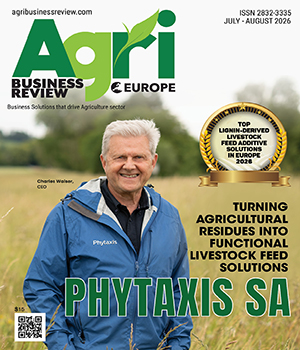
Louis Pasteur once observed that ‘chance favours only the prepared mind.’ Phytaxis SA is a case in point. Scientific progress rarely moves in a straight line and in the mid-2000s, the Swiss company was not even thinking about animal nutrition. Its team was focused on lignin, one of the most abundant organic polymers in plants, as a renewable alternative to petroleum-based chemistry. Oil prices were climbing, manufacturers were seeking substitutes for phenol in industrial resins and lignin extracted from wheat straw, bagasse and other agricultural residues offered a credible path forward. Working on that challenge gave Phytaxis a great, practical understanding of lignin chemistry. The team learned how the molecule behaved, how it could be refined and how its structure could be shaped for functional use. That expertise later proved decisive. When Europe banned antibiotic growth promoters (AGP) in 2006, feed producers faced a structural shift. They still needed to protect gut health, maintain feed conversion and keep production predictable, but they could no longer rely on the routine antibiotic tools they had used for decades. Around the same time, research from Japan and Cuba suggested that lignin could influence gut function. For most companies, that connection would have passed unnoticed. For Phytaxis, it aligned with the team’s existing knowledge.
Supplier and Distributor
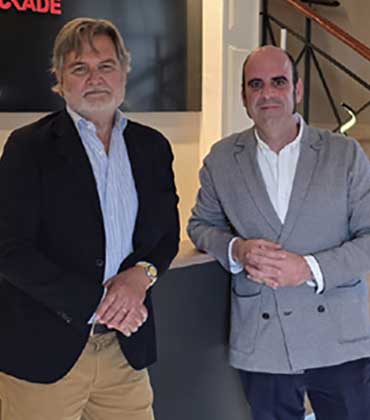
Global sourcing in animal feed works best when decisions are shaped by local insight. Markets differ in how they negotiate, operate and regulate supply, and understanding those differences determines how effectively sourcing and delivery can be managed. Crickade builds its model around that principle. Operating across Europe, the Americas and Asia, the company works through teams embedded within each market, ensuring sourcing and commercial decisions are managed by professionals who understand local conditions firsthand. “It is not a foreigner going to the country; it is a local one managing it,” says Francesc Doménech, general manager. That perspective carries through the supply chain. Whether sourcing materials in one market or delivering them in another, decisions are aligned with real operating conditions, improving consistency in both purchasing and execution..
Biostimulants Solutions

Maxstim generates high quality data to convince farmers to improve their current best practices by using flavonoid-rich complex treatments to increase profits and contribute to global food supply. Maxstim consistently delivers yield increases across a wide range of crops. This is how we approach gathering convincing evidence to support farmers and growers. Potato (Solanum tuberosum L.) is one of the most important agricultural crops, making a significant contribution to global food security. This is mainly due to its relative ease of production and high yield potential. Potato cultivation spans 17.6 million hectares and produces 365 million tonnes of tubers, with 80% of the crop grown in Europe and Asia.
Agtech
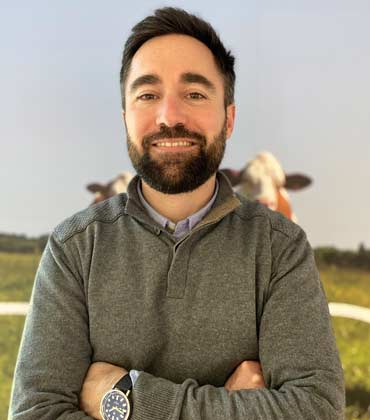
Precise Nutrition Meets the Digital Age
Julien Mailliu, Digital Apps Manager, ADM Animal Nutrition
Agtech

Achieving Sustainable Farming Practices
Petra Massoner, Head of Agricultural Center of Competence, Loacker
Agri AI
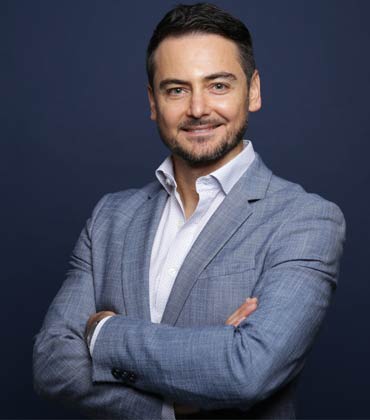
Reimagining Agriculture: A Vision for Sustainable, Regenerative Farming
Timothee Murillo, Senior Director of Smart and Sustainable Farming, McCain Foods
Supplier and Distributor
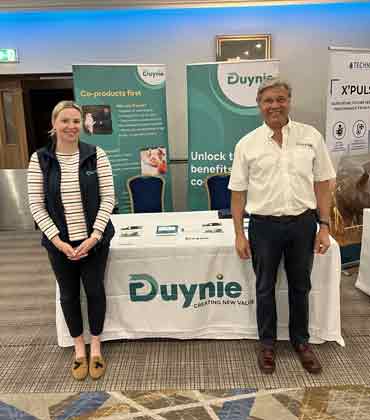
A Circular Pathway to Net-Zero Livestock Production
Martin Barker, UK Sustainability Manager, Duynie Group
Agri Financial Service

Why Agri-Marketing is More Dynamic Than You Think
Jamie Sullivan, Executive Director of Marketing, M2 Ingredients

IN MY OPINION
Agtech
Data and Digital Technologies as the Key to Transforming Arable Farming
Willem Unger, Director R&D and Data Intelligence, Royal Agrifirm Group

LAST WORD
Agtech
Encouraging Sustainable Agricultural Practices
Laetitia Domange, Development Director - Agricultural Business Unit, Groupe Coopératif Maïsadour
IN FOCUS
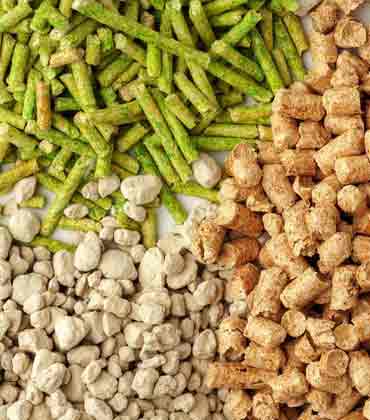
Lignin Feed Additives: A Sustainable Choice for Farmers across Europe
Lignin-based feed additives enhance livestock efficiency through sustainability, regulatory compliance, and technical support across Europe.
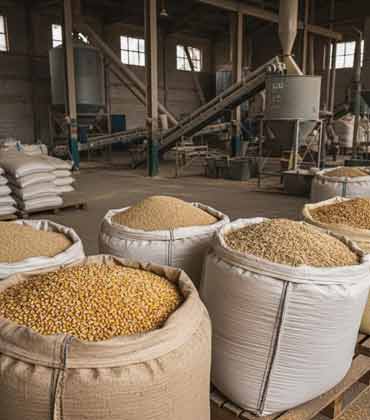
Modern Feed Distribution Networks Strengthening Europe's Livestock Supply Chains
Modern European feed distribution networks integrate advanced logistics, digital traceability, and diverse ingredients to ensure reliable, sustainable livestock nutrition supply chains.
EDITORIAL
Building Resilient Agriculture across Europe
Europe's farming industry is at a moment of change. Improving how much it produces, protecting the environment, and making sure there is enough food for everyone are all important goals that need to be worked on together. Farmers and experts are showing that true progress comes from combining new scientific ideas with practical, everyday work on farms. This edition of Agri Business Review Europe shines a light on the organisations and individuals shaping that future.
Our cover story spotlights Phytaxis SA, winner of the Top LigninDerived Livestock Feed Additive Solutions in Europe 2026 award. The company demonstrates how innovation addresses concrete challenges in modern livestock production. With its lignin-based feed solutions, Phytaxis is advancing animal nutrition whilst keeping performance, efficiency and sustainability front and centre. Its work highlights exactly why sciencebacked feed additives are gaining traction: they create healthier livestock and help producers meet tightening environmental requirements.
Featured company Crickade, named Top Animal Feed Raw Materials Distributor in Europe 2026, has carved out its position through a sourcing model rooted in local expertise and global coordination. By integrating procurement, logistics, quality control and compliance into one seamless operation, Crickade enables feed manufacturers to simplify purchasing, maintain reliable supplies and navigate volatile market conditions. Its commitment to accountability and long-term partnerships continues to fortify feed supply chains region by region.
This edition also features insights from Willem Unger of the Royal Agrifirm Group, who looks at how data and digital technology can drive both environmental and economic sustainability in arable farming. Complementing this, Laetitia Domange of Groupe Coopératif Maïsadour explores agro-ecological practices that strike a balance between carbon reduction, farm profitability and food security.
As Europe's agricultural sector continues its evolution, the companies and leaders featured here are building a more efficient, sustainable and resilient future. Their innovations, expertise and commitment to progress are setting new standards across the food and feed value chain. We invite you to dive into the insights and achievements propelling the next chapter of agricultural growth across Europe.
