Thank you for Subscribing to Agri Business Review Weekly Brief
A featured contribution from Leadership Perspectives, a curated forum for agribusiness leaders across the agricultural value chain, nominated by our subscribers and vetted by the Agri Business Review Editorial Board.

TheogCompanies
Turning Military Experience into Agribusiness Strength
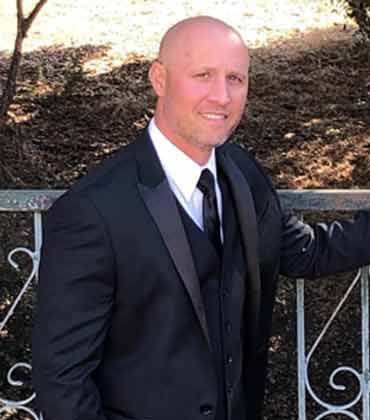
Nicholas LeBouef
Bringing Military-Built Skills into Agribusiness
Agribusiness and food manufacturing operate in a world of tight profit margins, volatility and frequent uncertainty. A single curveball from Mother Nature can put an entire company on its heels if it is not prepared. The good news is that military veterans across the nation enter the workforce each month with skills shaped by adaptability, commitment, responsibility and a mission-driven mindset. According to the U.S. Bureau of Labor Statistics, veterans represented 4.9 percent of the civilian labor force in 2025, accounting for about 8.3 million workers.
Transitioning veterans are well suited for careers in agriculture and food manufacturing. Many bring years of proven leadership experience, often reinforced through rigorous leadership schools and training programs. They are also trained to maintain a strong safety mindset, with risk assessment built into daily operations, which can reduce the time needed to adapt to OSHA-regulated environments. Veterans are accustomed to standard operating procedures, process consistency, inspections and operational discipline. Many also have direct experience in supply chain, inventory management, transportation planning and maintenance, all of which are central to food production and distribution.
Finding and hiring strong talent is only half the battle; retaining that talent is what allows organizations to realize a return on their investment.
Removing Barriers to Veteran Recruitment
One of the biggest challenges organizations face when recruiting and retaining veteran talent is how candidates are evaluated during the hiring process. With the growing use of artificial intelligence in talent acquisition, veteran candidates may be screened out by applicant tracking systems before a person ever reviews their resumes. To better access this talent pool, businesses need a strong or at least functional talent acquisition team that not only screens applications but also actively searches for qualified candidates. Organizations should be intentional about how they write job descriptions and configure qualification and disqualification criteria in applicant tracking systems. Job descriptions should emphasize the skills and attributes needed to succeed in the role rather than requiring years of highly specific experience. This approach helps open doors for veterans who may not have worked in agriculture or food manufacturing but have the capabilities and qualities needed to excel.
Turning Veteran Hiring into Long-Term Retention
Finding and hiring strong talent is only half the battle; retaining that talent is what allows organizations to realize a return on their investment. Retention begins during the interview process. Just as hiring teams evaluate candidates, candidates are also evaluating the company. Organizations should take time to structure interviews, build a clear onboarding plan and check in with new hires regularly throughout their first year. Veterans are accustomed to organization, accountability and direct communication. If the hiring process is still developing or the company is in an early stage of growth, transparency can go a long way. Being honest and prepared helps keep candidates engaged while strengthening the company’s image and reputation.
As a veteran, my strongest advice to newly transitioning service members is to align their passions with their strengths. Before applying, take time to research each position and ensure your resume clearly reflects the requirements in the job description. It is also important to research the company so you can determine whether its values and culture align with your own. Personally, working in agriculture and food manufacturing has been a rewarding transition. I am proud to be part of an industry that provides healthy, sustaining food to consumers and I have deep respect for the hard work required at every level to produce high-quality food.
The articles from these contributors are based on their personal expertise and viewpoints, and do not necessarily reflect the opinions of their employers or affiliated organizations.
