Thank you for Subscribing to Agri Business Review Weekly Brief
A featured contribution from Leadership Perspectives, a curated forum for agribusiness leaders across the agricultural value chain, nominated by our subscribers and vetted by the Agri Business Review Editorial Board.

Cargill
Beef Sustainability Starts from the Ground Up: The Role of Soil Health
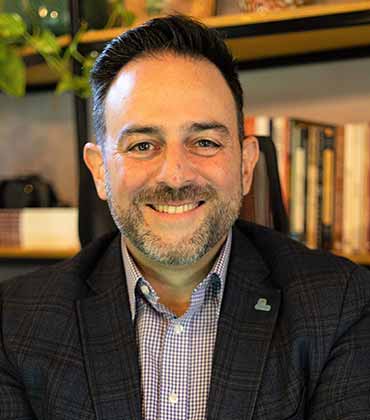
Carlos Marcelo Saviani
Carlos M. Saviani is Cargill’s Beef Sustainability Director, leading initiatives that reduce environmental impact, advance social responsibility, and drive value across the beef supply chain. With over 30 years of global experience, he combines expertise in animal science with strategic business leadership gained from roles at dsm-firmenich, Pfizer/Zoetis, Merial, ABS and the World Wildlife Fund. His experience also includes hands-on management of a 2,000-head beef ranch, giving him a unique perspective from field to boardroom. Carlos is recognized for building high-performing teams and forging impactful partnerships to address GHG emissions, renewable energy, water stewardship, soil health, and habitat conservation. He holds a degree in Animal Science from the University of São Paulo and an MBA from the Business School of São Paulo and the Rotman School of Management at the University of Toronto.
Sustainability in Beef Production Through Soil Health
As the global demand for beef continues to rise, so does the urgency to produce it in a way that supports both producers and environmental resilience. At the heart of this challenge lies a powerful yet often overlooked ally: the soil beneath our feet. Healthy soils are not only the foundation of productive agriculture but also a critical tool in the fight against climate change. As an example of this, Cargill’s BeefUp Sustainability program is leading the charge in transforming the beef supply chain by focusing on soil health, maintaining and enhancing its carbon.
Soil is more than just dirt—it is a living ecosystem teeming with microorganisms, organic matter, and nutrients. When managed properly, soil can act as a carbon sink, absorbing and storing atmospheric carbon dioxide (CO₂) through a process known as carbon sequestration. This is particularly important in beef production, where grazing lands cover vast areas and have the potential to store significant amounts of carbon.
However, conventional agricultural practices such as overgrazing, tillage, and monoculture can degrade soil structure, reduce organic matter, and release stored carbon back into the atmosphere. This not only contributes to greenhouse gas (GHG) emissions but also diminishes the land’s productivity and resilience to climate extremes. For instance, it reduces the capacity of the soil to retain water.
Scaling Regenerative Agriculture to Strengthen the Beef Supply Chain
Led by Carlos, the Cargill beef sustainability program aims to reduce GHG emissions in the North American beef supply chain by 30% by 2030. Central to this goal is the adoption of regenerative agriculture practices that improve beef productivity, soil health, enhance biodiversity, and increase carbon storage. A win-win for ranchers, nature, and people.
We are working closely with farmers, ranchers, NGOs, and technology partners to implement practices such as:
Healthy soils are not only the foundation of productive agriculture but also a critical tool in the fight against climate change.
• Rotational and adaptive grazing: Moving cattle strategically across pastures to prevent overgrazing and allow vegetation to recover, which improves root systems and soil structure.
• Cover cropping and reduced tillage: These practices protect the soil surface, reduce erosion, and increase organic matter.
• Integrated crop-livestock systems: Combining livestock and crop production to create nutrient cycles that enrich the soil naturally.
These methods not only reduce emissions but also make ranches more resilient to drought, floods, and other climate-related challenges. By increasing their productivity, the ranchers can also become more economically resilient, and that reduces the risk of them loosing their land to an activity that would convert the grasslands and pastures into something else, releasing all that carbon into the atmosphere and destroying the great biodiversity that relies on that ecosystem.
It is easy to say, but to implement all of that requires a huge team effort and can only be achieved through collaboration. Through BeefUp, for instance, Cargill has forged over years partnerships with organizations like The Nature Conservancy, WWF, National Fish and Wildlife Foundation, Ducks Unlimited, Alus, major food brands and obviously the ranchers. Collaborations like these are helping to scale regenerative practices across millions of acres of grazing land.
Collaborative Roles in Program Success
Cargill has forged over the years partnerships with organizations like The Nature Conservancy, WWF, National Fish and Wildlife Foundation, Ducks Unlimited, Alus, major food brands and, most importantly, the ranchers. Collaborations like these are helping to scale regenerative practices across millions of acres of grazing land. But we have to do more, much more! You need organizations to lead and manage the program on the ground. You need technical assistance providers and input suppliers to help the ranchers implement the best practices and farm management software to intelligently manage data. You need the banks to fund them (giving the ranchers the right time to have a positive ROI). You need organizations specialized in measuring, reporting, and verifying the carbon and other environmental footprints and assets that will travel through the supply chain. You need the processing companies that buy the animals and produce the different beef products and by-products also securing the integrity of the environmental assets to the rest of the supply chain. You need the food service, restaurants, retailers, and CPG companies sending a clear demand signal through higher volumes, better prices, long term contracts, incentives, and support, that is the beef they want to see produced and offered to their consumers. It is the right thing to do.
I strongly believe we can feed humanity in a sustainable way: protecting the planet, being socially responsible, and economically viable. That is why I do what I do.
The articles from these contributors are based on their personal expertise and viewpoints, and do not necessarily reflect the opinions of their employers or affiliated organizations.
