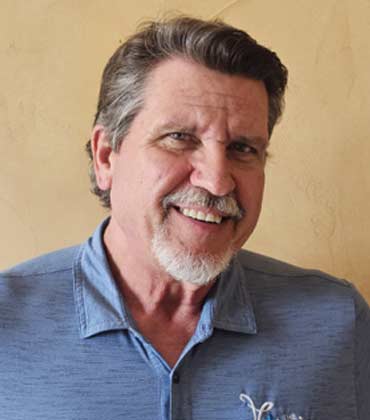
 Greg Goodell, Owner and Veterinarian
 The Dairy Authority (TDA) blends the science of diagnostics with veterinary insight to help dairies get the data and the direction they need for informed, herd-level decision-making.
Operated by veterinarians with decades of hands-on dairy experience, TDA Labs, the laboratory arm of the company, provides advanced, standardized testing for herdhealth-impacting diseases paired with clinical interpretation. The goal is not just to deliver results, but to help producers act on them to safeguard herd health and ensure milk quality.
“Most veterinary labs are not run by veterinarians with on-farm expertise which is exactly what makes us valuable.” says Greg Goodell, owner and veterinarian of TDA Labs. “When clinical insight is needed, it’s built in.”
In addition to lab insights, TDA supports farms through bilingual online training and human resources tools. It helps clients follow best practices in milk sampling and antibiotic use, strengthening compliance and productivity.
Serving Diverse Clients through Tailored, Bilingual Support
TDA serves small family farms with 50 cows to large dairies housing up to 20,000 animals, across the United States. Regardless of the size of the farm or where the samples originate, accuracy of the result is maintained at the central laboratory in Greeley, Colorado. The lab follows strict protocols to preserve integrity and deliver consistent results.
The same commitment to quality and reliability extends across all of TDA’s testing services. The lab offers advanced bacteriology, PCR testing for diseases like mastitis and Johne’s, and chemical blood analysis to detect metabolic issues such as hypocalcemia. It also helps contain contagious diseases such as bovine viral diarrhea and Johne’s disease, protecting long-term herd stability and reducing economic disruptions for producers.
-
Most veterinary labs are not run by veterinarians with on-farm expertise which is exactly what makes us valuable. When clinical insight is needed, it’s built in
To enhance herd health management, TDA has developed tools that track disease prevalence and generate detailed monthly reports for producers. These tools enable farms to monitor risks and intervene before issues escalate. For example, when a large dairy faces a severe mycoplasma outbreak, TDA can identify infected cows and guided targeted control strategies to stop the spread and eliminate the disease.
These efforts extend well beyond Colorado, where the central laboratory is based. While it provides surgeries and hands-on treatments for nearby clients, they take on a consulting role when working with out-of-state producers. In this advisory role, veterinarians collaborate closely with on-site herd vets, nutritionists and farm consultants to evaluate herd health, develop disease control strategies and enhance overall performance.
Alongside clinical support, TDA aids in making economic decisions by analyzing production and financial data. This integrated approach defines its full-service model, which includes certified labs for feed analysis and Dairy Herd Improvement Association (DHIA) testing. Its experts also support milk processors, helping them meet food safety and regulatory compliance needs. Holding FDA certifications for regulatory milk testing, it serves clients who need official compliance without veterinary involvement.
Supporting this comprehensive service model is a collaborative team of seasoned field veterinarians supported by newer members trained through hands-on shadowing. TDA’s Spanish-speaking veterinarians have the ability to work directly with Hispanic employees on the dairy, while English-speaking vets engage with owners and management. This bilingual, team-based approach ensures clear communication across all levels of the operation, especially with the frontline staff who often have the most direct, on-the-ground insight.
Combining veterinary skill with innovative testing, The Dairy Authority supports farms in achieving healthier herds and stronger performance. With a focus on learning, collaboration and customized strategies, it remains a trusted ally for dairies aiming to elevate herd health and operational success.
The Veterinary Lens Reshaping Herd Health Diagnostics
Milk quality is a concern for dairy farmers. They have to deal with budgets, disease outbreaks and complicated rules. Checking the health of their herd is not about finding sick cows anymore. Now farmers rely on labs to help them understand disease patterns, plan interventions and keep their operations running. This change has made dairy executives think differently about providers. Fast test results and a wide range of tests are still important. They don't help much if the lab results aren't connected to the bigger picture.
Many dairy farms struggle with managing diseases. Testing, veterinary care and employee training are often handled by people with little communication between them. This can lead to delays in stopping the spread of diseases inconsistent sample collection and poor communication between farm managers and employees. Large herds are especially vulnerable because disease transmission can happen quickly if monitoring systems don't connect lab results with strategies. Processors and dairy cooperatives also face concerns with milk quality standards and sterility requirements leaving little room for mistakes.
When evaluating herd health lab services executives now prioritize providers that understand the realities of dairy farming. They want professionals who know about production economics, treatment protocols and herd management practices. Just having test results isn't enough; farmers need guidance on how to contain, monitor and prevent diseases. Labs that work closely with veterinarians can provide continuity between diagnosis and corrective action because they can translate findings into recommendations for the whole herd.
Scalability is also a consideration. As farmers consolidate into operations labs need to maintain consistency across high testing volumes while accommodating different management structures. This includes not bacteriology but also PCR diagnostics, blood chemistry testing and broader disease monitoring programs. Farmers expect labs to support recurring herd- screening for diseases like bovine viral diarrhea, Johnes disease and mycoplasma.
Good communication practices are also crucial in purchasing decisions. Dairy workforces are often multilingual. Rely heavily on standardized procedures. Testing providers that can't communicate effectively with ownership managers and employees often struggle to influence long-term herd outcomes. Training support, practical reporting tools and rapid accessibility to interpretation have become valuable differentiators. Producers want partners that can support education and compliance across the workforce not just supply lab data.
The Dairy Authority stands out through its combination of consulting and dairy-focused laboratory services. The companys laboratory division, TDA Labs supports milk quality management, bacteriology, PCR diagnostics and blood chemistry analysis while maintaining certified testing capabilities. Its veterinary-led structure gives producers access, to interpretation shaped by decades of dairy field experience. The company also supports producers with employee education resources, herd monitoring tools and disease-control strategies designed specifically for dairy environments.
...Read more